

News
-
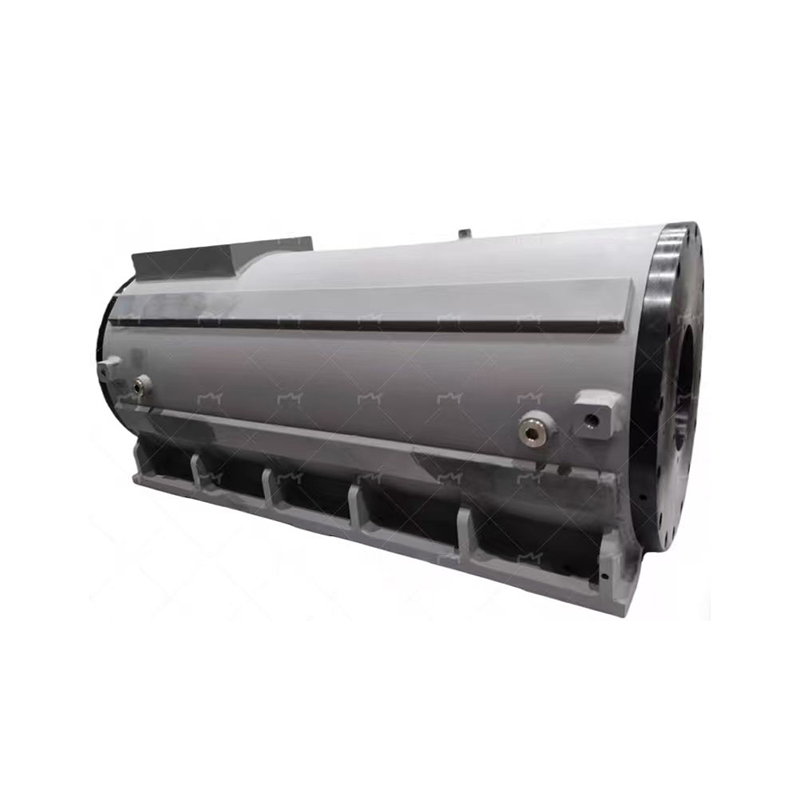
How can burr defects in cooling channels be reduced during the manufacturing process of liquid-cooled motor housing?
After demolding, a small amount of burrs or flash may remain in the cooling channel, which needs to be removed by machining or special processing methods.
Learn More2026-04-03 -
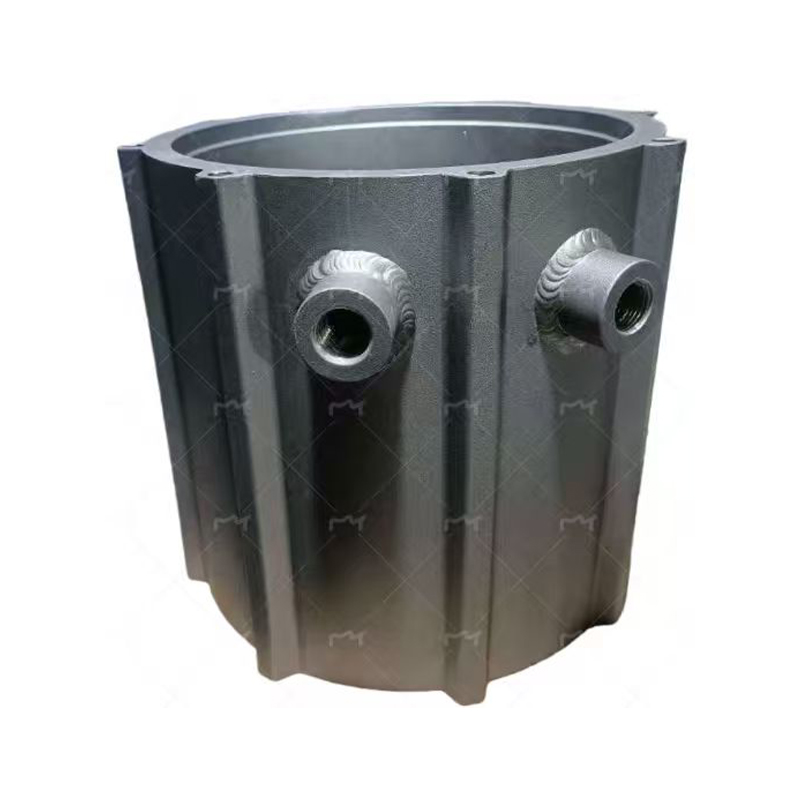
How can the inlet and outlet positions of the coolant in a liquid-cooled motor housing be arranged for greater rationality and efficiency?
The heat inside the motor is mainly concentrated at the ends of the stator windings and the gap between the rotor and the stator. Therefore, the coolant flow channel needs to be as close to these areas as possible.
Learn More2026-03-26 -
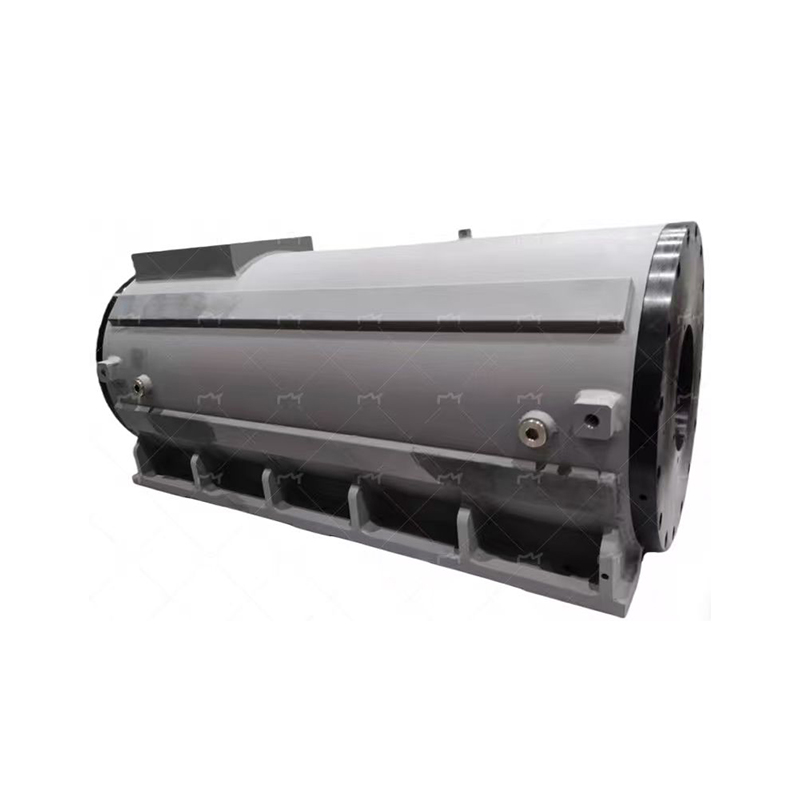
How can the thermal expansion of liquid-cooled motor housing be effectively controlled under extreme temperatures?
For large motors, a split-type structure design can be adopted, which divides the outer casing into multiple modules and assembles them through flexible connectors to further reduce the impact of thermal expansion.
Learn More2026-03-19 -
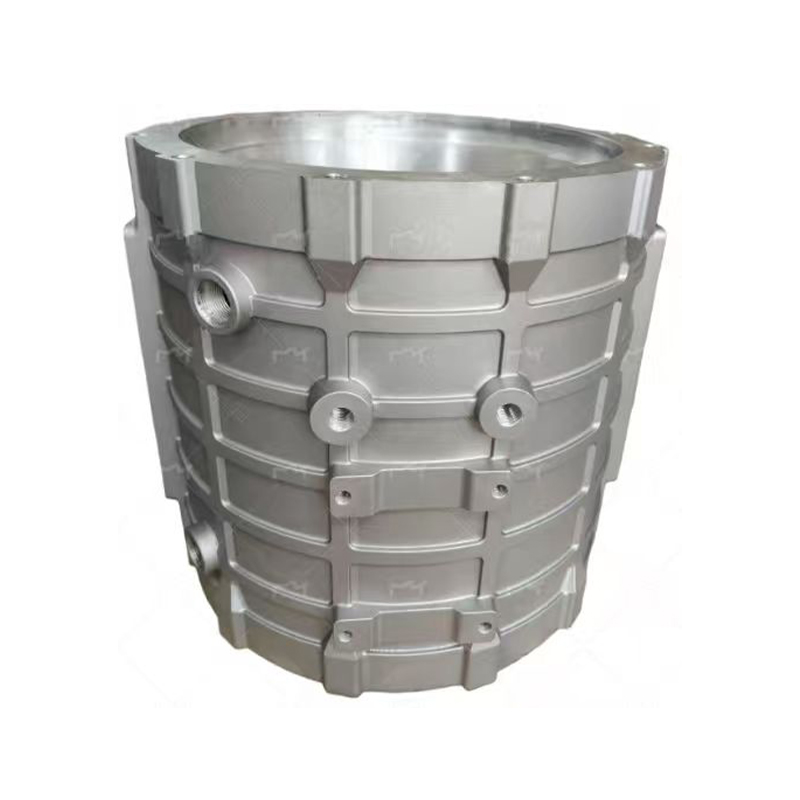
How can the flow channel design of a liquid-cooled motor housing balance cooling efficiency with fluid resistance?
Traditional machining methods such as CNC milling are suitable for simple flow channel structures, but they are difficult to meet the machining requirements of microchannels or complex topologies.
Learn More2026-03-12 -
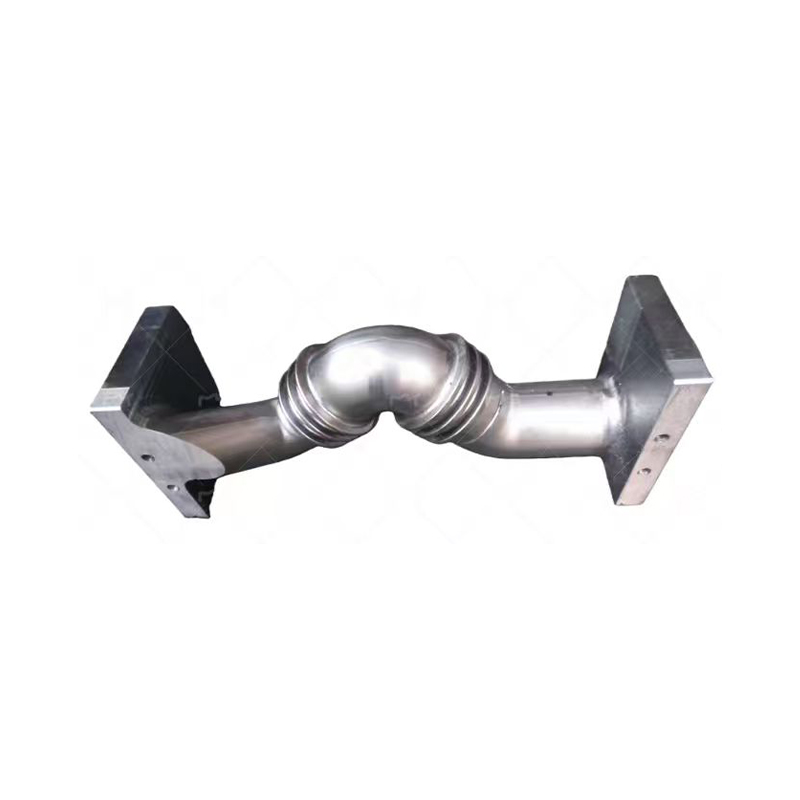
How do hardware accessories exert an invisible force in modern equipment manufacturing?
In modern manufacturing, hardware accessories play a crucial role, especially in the design and manufacture of various equipment parts.
Learn More2026-03-04 -
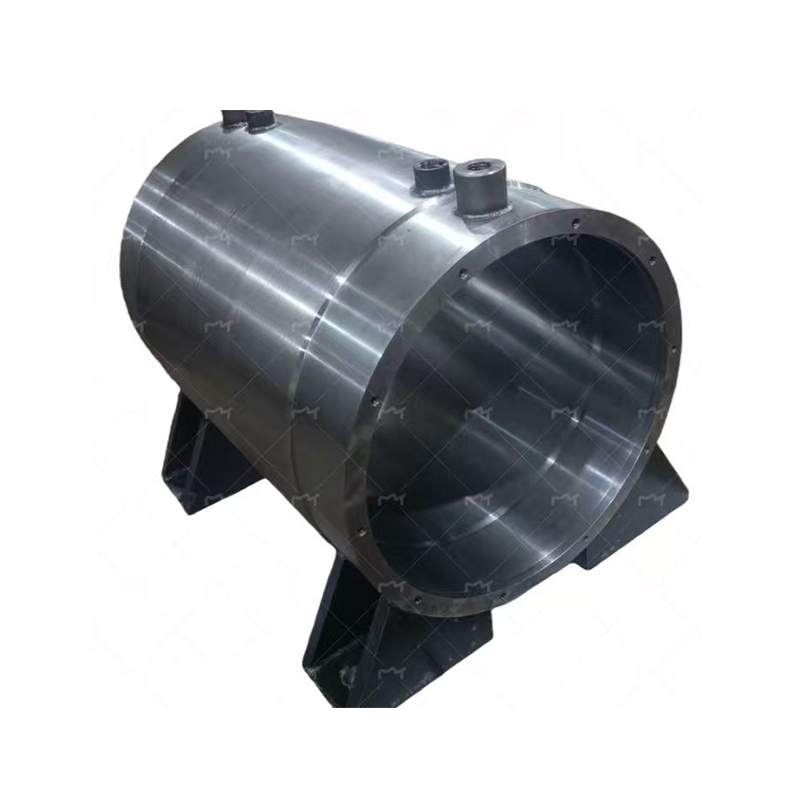
Can a liquid-cooled motor housing become a core guardian of high-power power systems through efficient heat dissipation?
In fields with stringent performance and reliability requirements, such as electric vehicles, industrial drives, high-end power tools, and even aerospace, motors, as the core of energy conversion, inevitably generate a large amount of heat during continuo
Learn More2026-02-26